
Aircraft Tug Vehicle Injuries Among Airline Workers
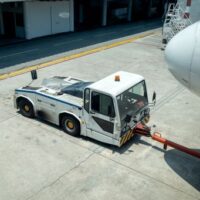
A recent devastating, fatal injury at the Orlando International Airport is a reminder of the serious work hazards that airline workers face on a regular basis. In particular, employees who handle luggage and air required to work with heavy equipment on runway areas can sustain life-threatening and deadly injuries when collisions occur. The recent death of the airline worker involved an accident with an aircraft “tug,” which is a specialized type of vehicle that is used to tow planes short distances without the planes having to use jet fuel — these vehicles often move planes approximately 100 feet or fewer on runway areas and around gates.
What should you know about the recent fatal work injury, and about injury risks related to aircraft tugs in general? Our Maryland airline worker injury lawyers can tell you more, and we can speak with you today if you were injured while working at an airport or if you lost a loved one who sustained fatal workplace injuries while employed by an airline or airport.
Details of the Recent Airline Worker Death Involving an Aircraft Tug and Jet Bridge
According to a recent report from NBC, an employee of Delta Airlines sustained fatal injuries in a runway accident at Orlando International Airport when an aircraft tug struck a jet bridge that was adjacent to an airplane with passengers that were onboard. The employee was a 49-year-old worker whose death was attributed to “multiple blunt impact injuries” associated with the collision involving the aircraft tug and the jet bridge.
The fatal accident is under investigation. Although it occurred in Florida, it is a devastating incident that is important for airports and airline employees in Maryland and across the country to consider. These are commonly used types of heavy equipment — aircraft tugs and jet bridges — at all major airports, and they can pose serious injury risks to anyone who is operating them or is working on the runway.
How Aircraft Tugs Pose Serious Injury Risks for Airline Employees
Both aircraft tugs and jet bridges can be hazardous for airline workers when they are involved in collisions or when a worker is struck by one of these types of heavy equipment. According to multiple aerospace equipment manufacturers, aircraft tugs can weigh more than 100,000 pounds — or 50 tons — while jet bridges typically weigh between 25 and 30 tons or between about 55,000 and 70,000 pounds. To put the weight of these vehicles and equipment in perspective, a fully loaded semi-truck, which can cause fatal injuries due to size and weight when in a collision with a smaller automobile, weighs between 20,000 and 80,000 pounds.
According to the Federal Aviation Administration (FAA), aircraft tugs are involved in more serious and deadly airline worker accidents than you might expect. In most accidents involving aircraft tugs, the tug strikes a worker on the ground when it is being used to push back the aircraft. Being struck by an aircraft tug is often fatal. Workers can also be involved in struck-by and crush injuries involving jet bridges at airports.
Contact Our Maryland Airline Worker Injury Attorneys for Help with Your Workers’ Compensation Claim
Working on or around airport tugs is extremely dangerous work for airline employees. If you were injured as a result of contact with heavy machinery while working as an airline employee, or if someone you love sustained fatal injuries in this type of work, it is important to seek advice from one of the experienced Maryland airline injury worker lawyers at the Law Offices of Steinhardt, Siskind and Lieberman, LLC. We can speak with you today to learn more about the details of the injury and to help you pursue compensation through the Maryland workers’ compensation system, and, if possible, through a third-party civil lawsuit. Contact our firm to learn more about how we assist airline workers and their families in Maryland.